VSD
VSD treatment at Park Hospitals involves specialized cardiac care provided for Ventricular Septal Defect (VSD), a congenital heart condition characterized by an abnormal opening in the wall separating the two lower chambers of the heart, known as the ventricles. This opening allows oxygen-rich and oxygen-poor blood to mix, which can place additional strain on the heart and lungs over time. VSD is one of the most common congenital heart defects and may range from small defects that cause minimal symptoms to larger defects that significantly affect heart function and circulation. Patients with VSD may experience symptoms such as shortness of breath, fatigue, poor feeding in infants, delayed growth, recurrent respiratory infections, rapid heartbeat, or difficulty performing physical activities. Early diagnosis and timely treatment are important to prevent complications such as heart failure, pulmonary hypertension, or long-term cardiac damage.
Before recommending treatment, pediatric cardiologists and cardiac specialists conduct detailed clinical evaluations and diagnostic investigations to determine the size, location, and severity of the ventricular septal defect. These assessments may include physical examination, electrocardiograms (ECG), echocardiography, chest X-rays, cardiac MRI, cardiac catheterization, and blood investigations to evaluate heart function and blood flow patterns. Symptoms such as breathing difficulty, cyanosis, recurrent lung infections, poor weight gain, fatigue, or abnormal heart sounds are carefully assessed before planning the most appropriate treatment approach. The treatment plan is personalized according to the patient’s age, overall heart health, severity of symptoms, and the impact of the defect on cardiac function.
Treatment for VSD may involve regular monitoring, medications, catheter-based procedures, or surgical correction depending on the size and severity of the defect. Small VSDs may close naturally over time and require only observation and follow-up care, while larger defects may require intervention to prevent complications. Surgical repair generally involves closing the abnormal opening using specialized surgical techniques or patch repair to restore normal blood circulation within the heart. In selected cases, minimally invasive catheter-based device closure procedures may also be performed. Advanced cardiac imaging systems, heart-lung support technology, and continuous monitoring help improve procedural precision, patient safety, and treatment outcomes throughout the intervention process.
One of the major advantages of timely VSD treatment is improved heart function and prevention of long-term cardiovascular complications. Correcting the defect can help improve oxygen circulation, reduce strain on the heart and lungs, enhance growth and development in children, and improve physical activity tolerance. Many patients experience better energy levels, reduced breathing difficulties, improved overall health, and enhanced quality of life following successful treatment. Regular follow-up care and cardiac monitoring also play an important role in supporting long-term heart health and recovery.
With experienced pediatric cardiologists, cardiac surgeons, advanced cardiac care facilities, and comprehensive congenital heart care services, Park Hospitals provides specialized treatment support for patients diagnosed with Ventricular Septal Defect (VSD). Early diagnosis, timely cardiac intervention, personalized follow-up care, and continuous medical monitoring can help restore healthy heart function, reduce complications, and support long-term cardiovascular health and overall well-being.
Meet Our Experts
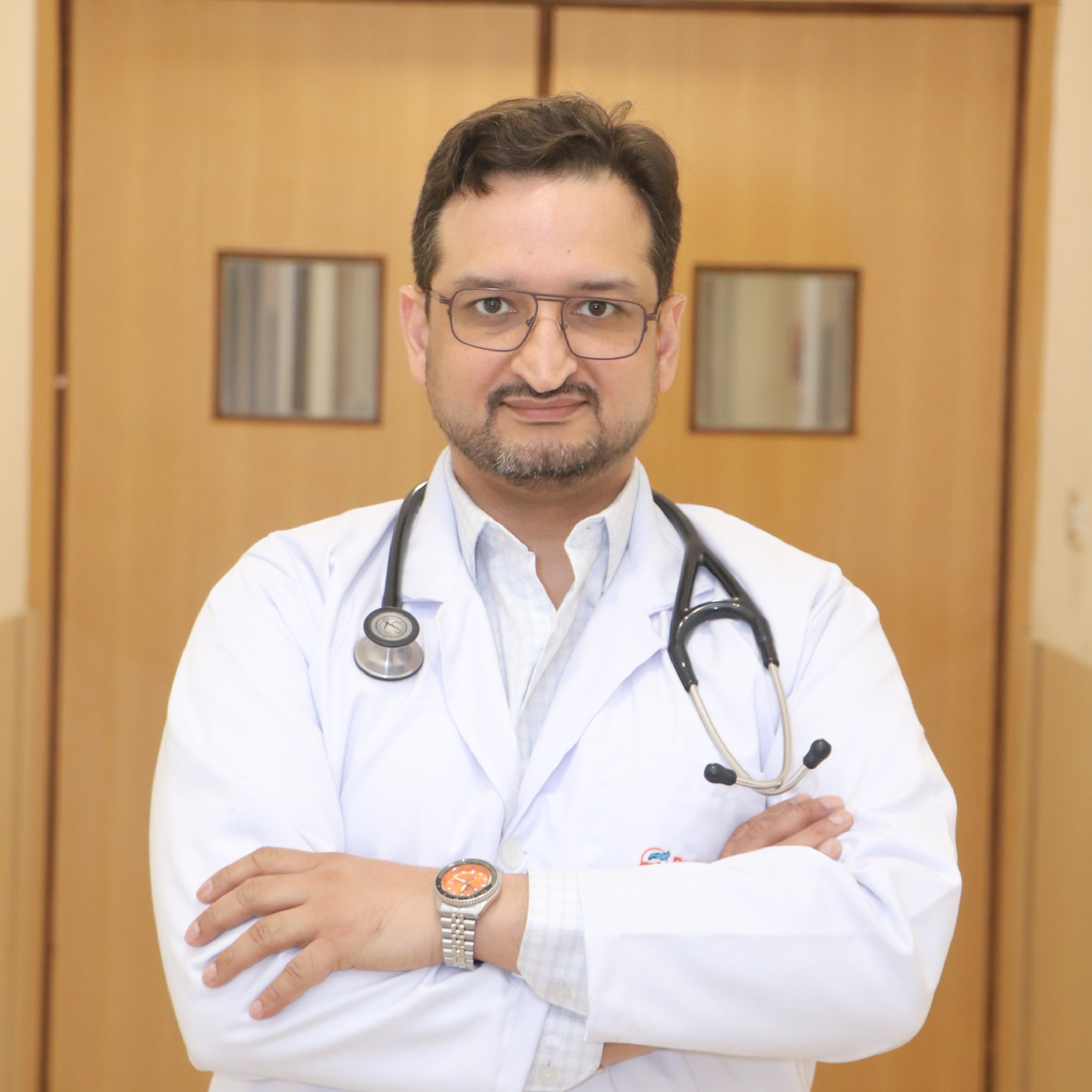
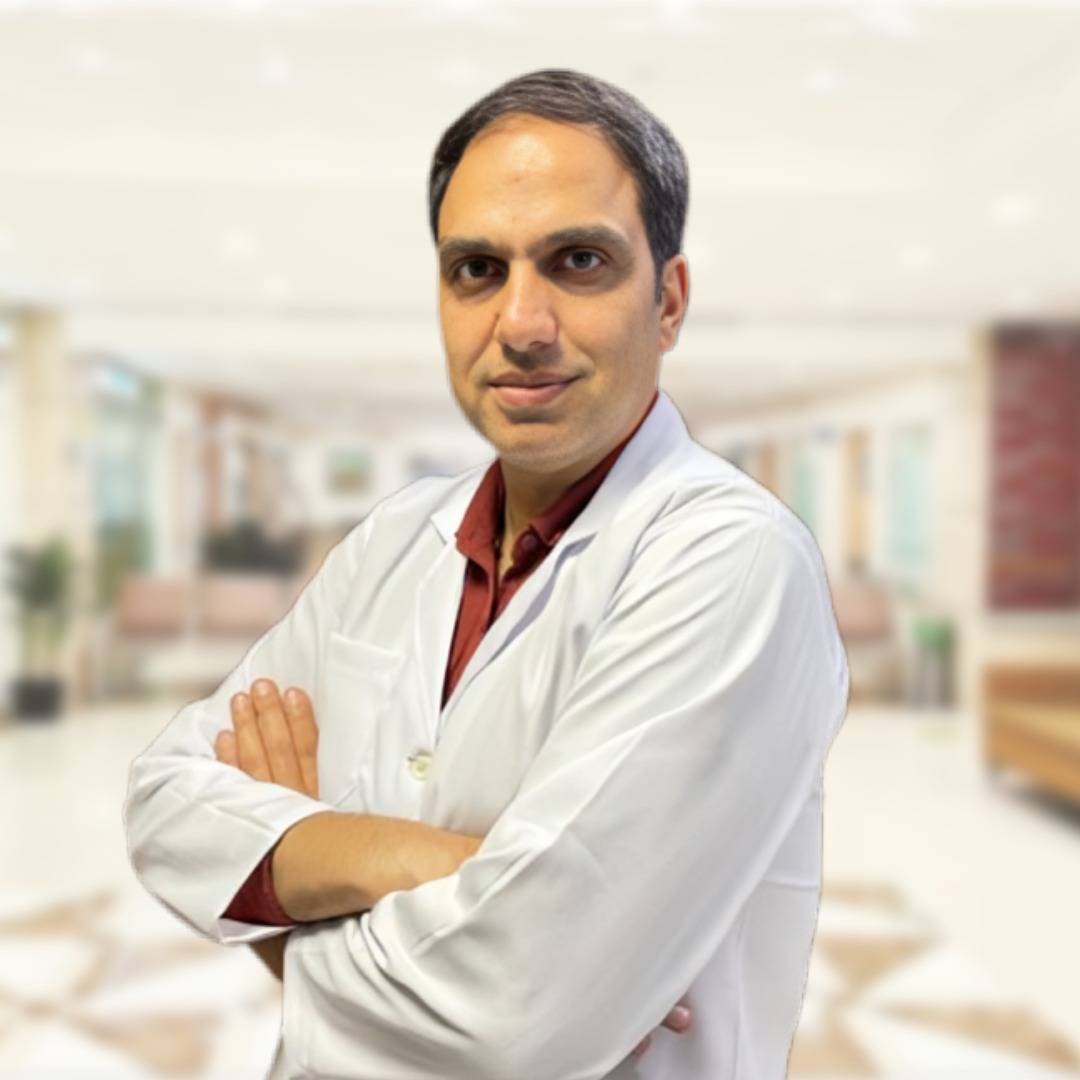
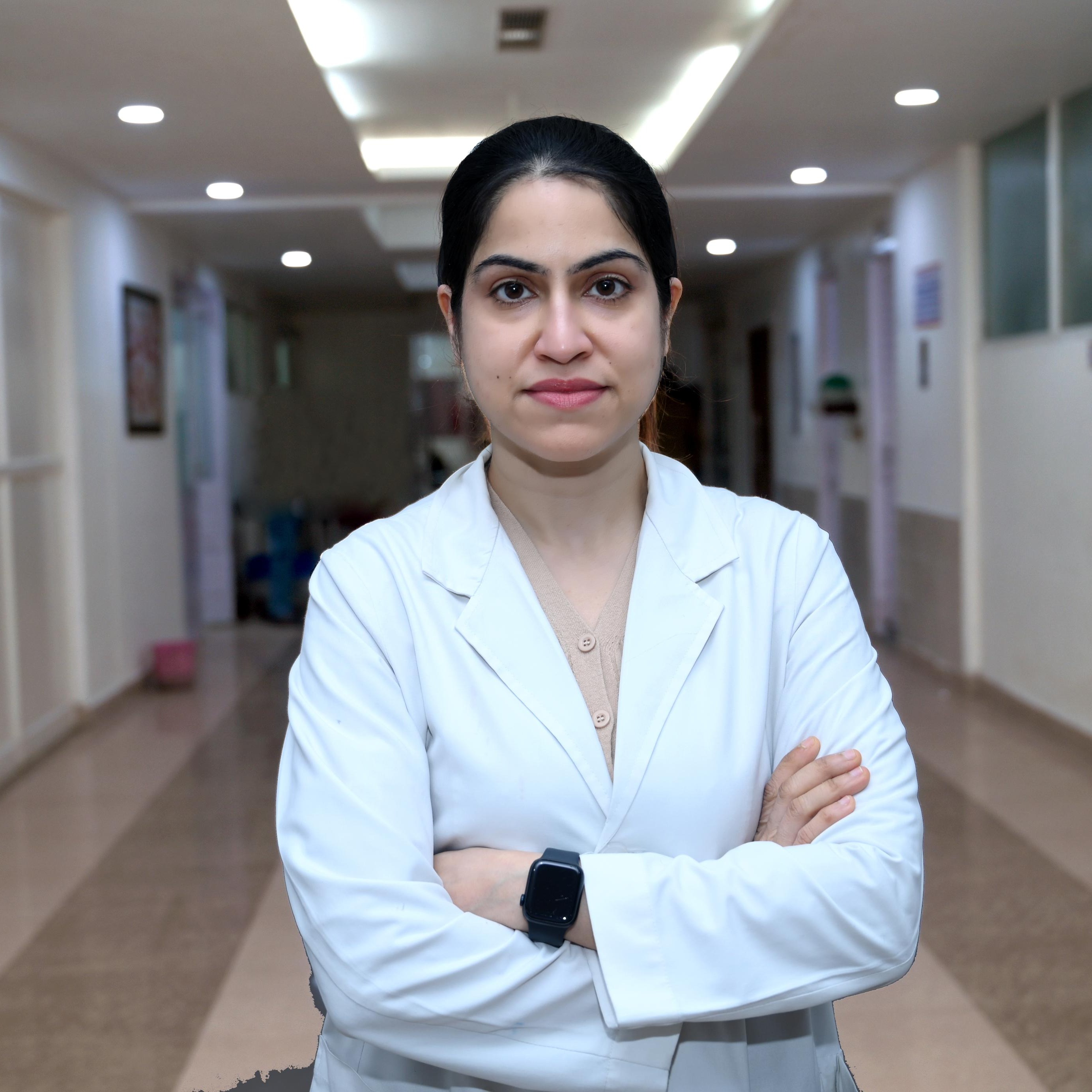
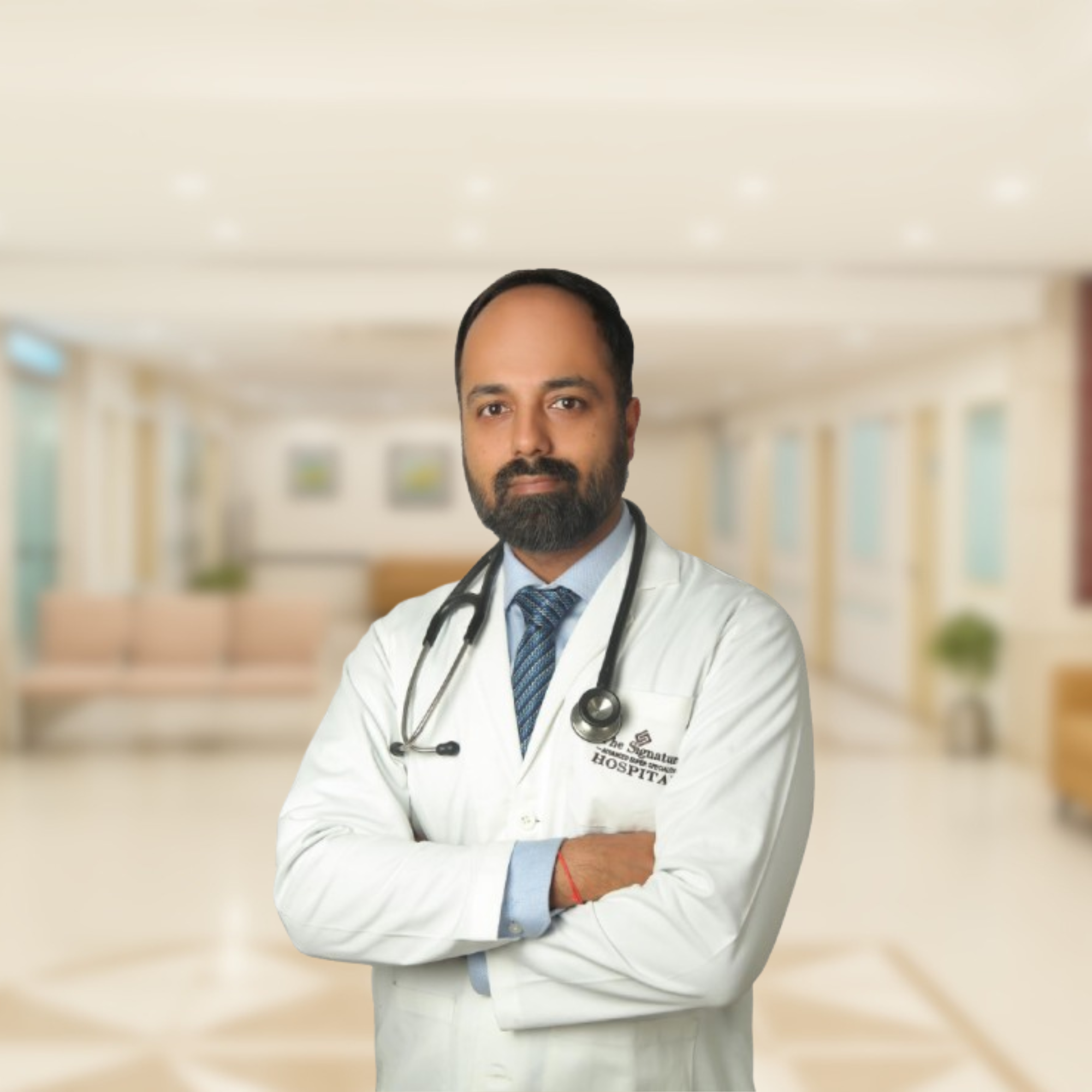
Experienced Clinical Leaders
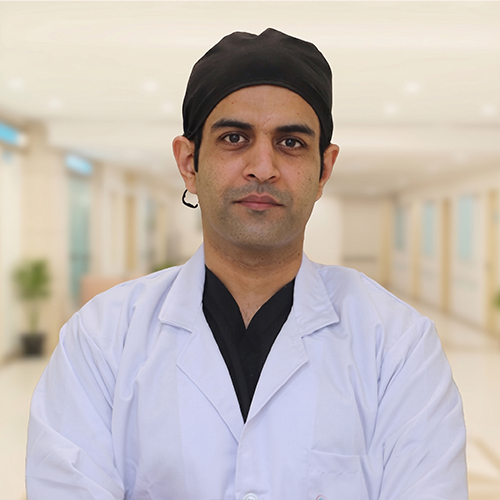
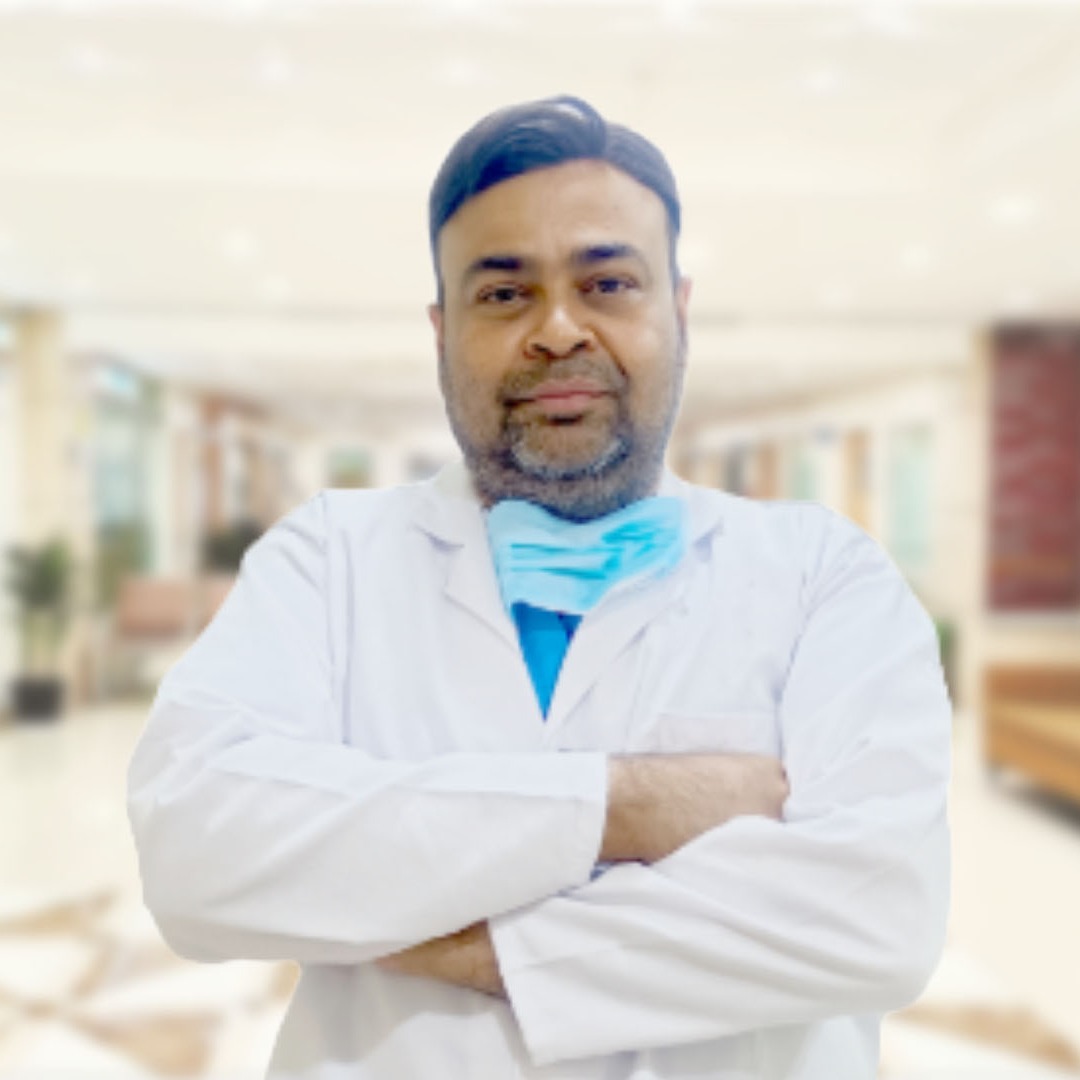
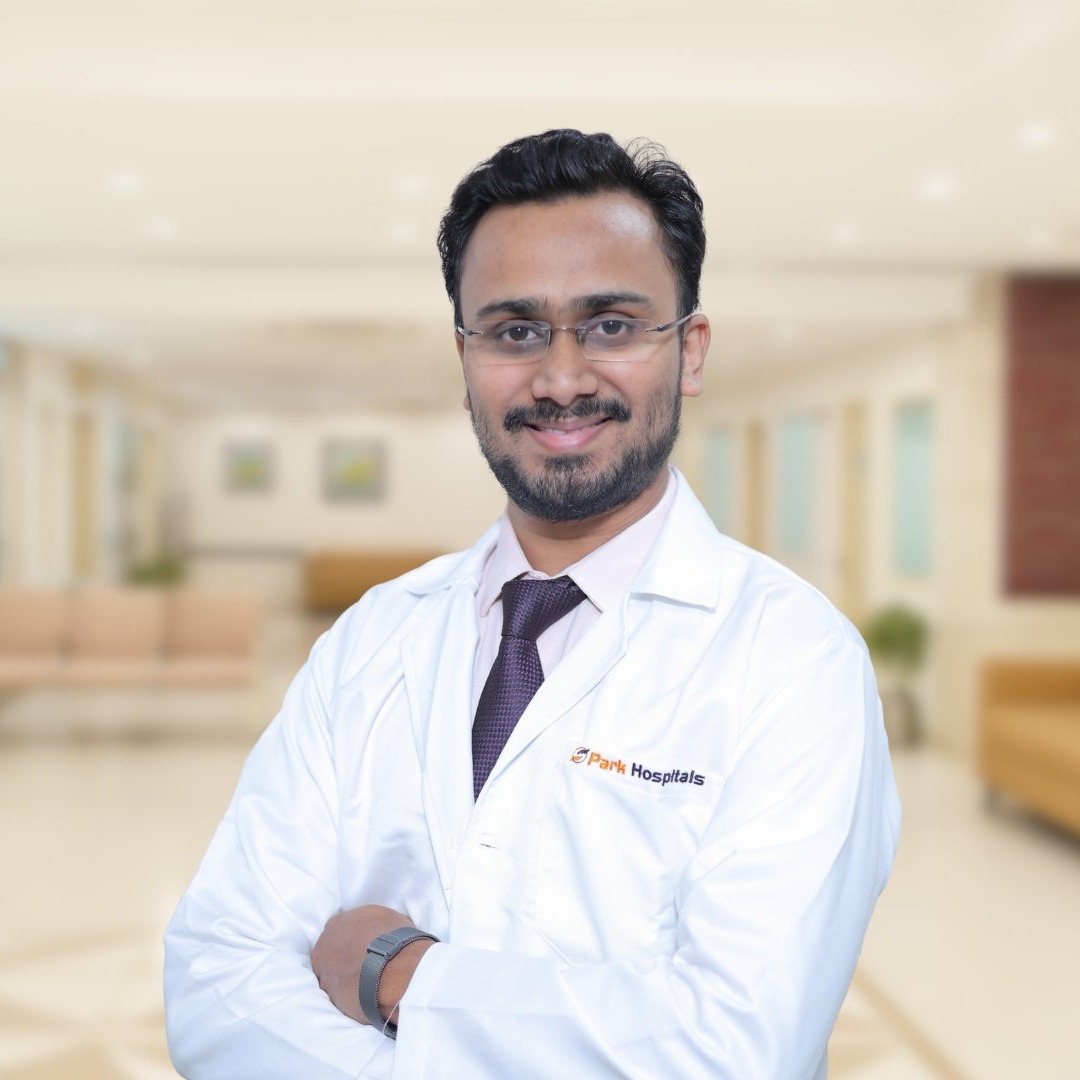
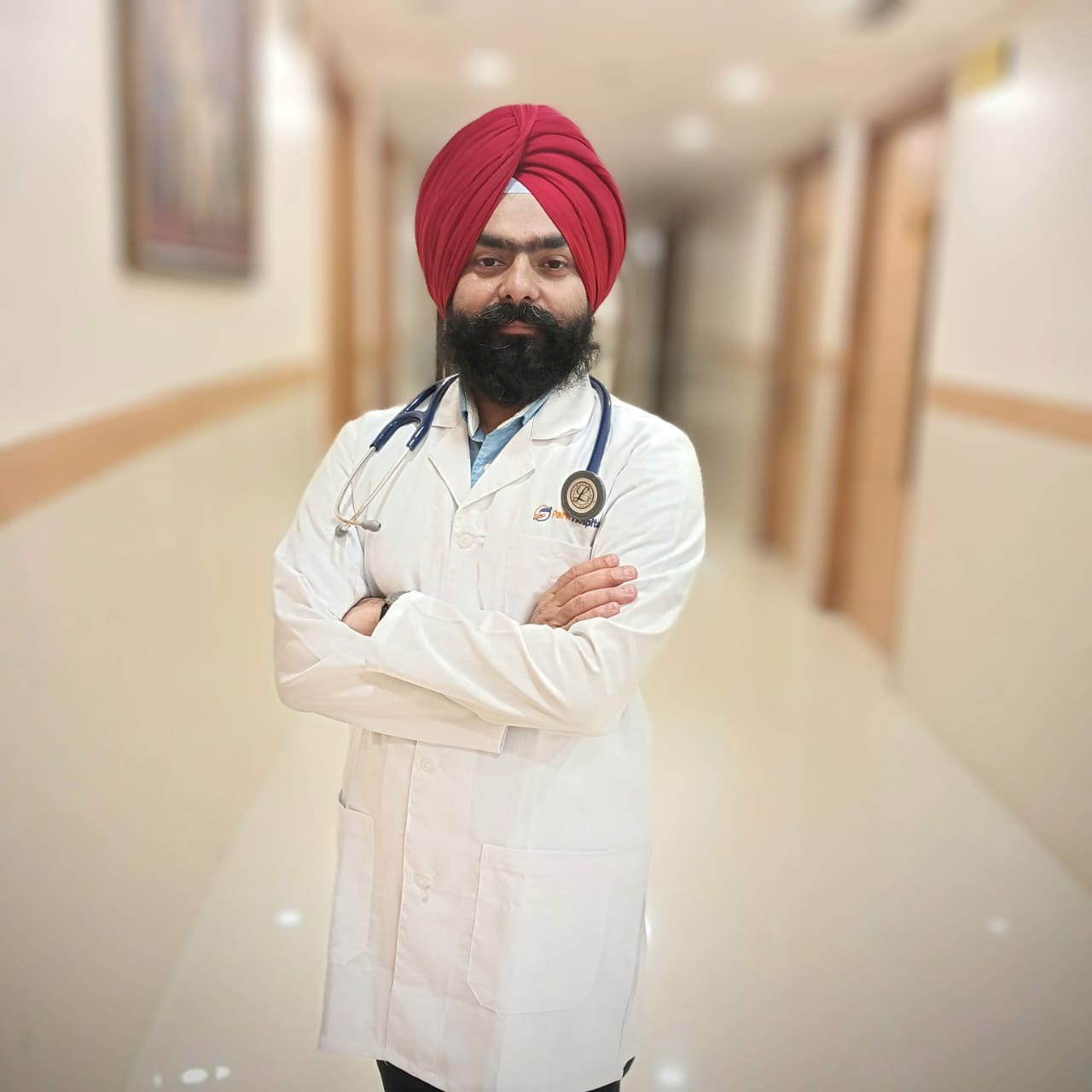
Consult with our highly skilled specialists dedicated to providing world-class medical expertise and personalized treatment plans.
Find A Doctor








.png)


.jpg)





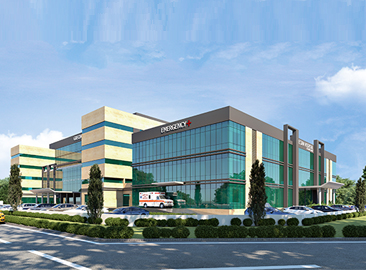



Our Hospital Locations
Healing Near You
Experience world-class clinical expertise and compassionate care at our advanced facilities conveniently located across the region
View All