


Total Knee Replacement (TKR)
Total Knee Replacement (TKR) at Park Hospitals is a specialized orthopedic surgical procedure performed to replace a damaged or severely worn-out knee joint with an artificial implant in order to relieve pain, restore movement, and improve overall joint function. The procedure is commonly recommended for patients suffering from advanced osteoarthritis, rheumatoid arthritis, degenerative joint disease, post-traumatic arthritis, knee deformities, or chronic knee pain that significantly affects daily activities and quality of life. Damage to the knee joint can lead to persistent pain, swelling, stiffness, difficulty walking, reduced mobility, and instability that may gradually worsen over time. Total Knee Replacement helps improve joint function, enhance physical movement, and support better long-term mobility when conservative treatments such as medications, injections, physiotherapy, or lifestyle modifications no longer provide adequate relief.
Before recommending TKR, orthopedic specialists conduct comprehensive clinical evaluations and diagnostic investigations to assess the severity of knee joint damage and determine the most appropriate treatment plan. These assessments may include physical examination, digital X-rays, MRI scans, CT scans, blood investigations, gait analysis, and joint mobility assessments. Symptoms such as chronic knee pain, swelling, stiffness, reduced flexibility, difficulty climbing stairs, limping, instability while walking, disturbed sleep due to pain, or inability to perform routine physical activities are carefully evaluated before planning surgery. The treatment approach is personalized according to the patient’s age, medical history, activity level, bone quality, lifestyle, and overall musculoskeletal health.
During Total Knee Replacement surgery, the damaged cartilage and worn-out surfaces of the knee joint are carefully removed and replaced with artificial prosthetic components designed to replicate the natural movement of the knee. The procedure generally involves resurfacing the ends of the femur, tibia, and sometimes the underside of the kneecap using specialized implants made from durable medical-grade materials such as metal and polyethylene. Depending on the patient’s condition, minimally invasive or conventional surgical techniques may be used to improve joint alignment and stability. Advanced surgical technology, computer-assisted navigation systems, precision instruments, and continuous monitoring help improve implant positioning, surgical accuracy, and patient safety throughout the procedure.
One of the major advantages of Total Knee Replacement is significant relief from chronic knee pain and improvement in mobility and overall physical function. Many patients experience smoother joint movement, improved walking ability, better balance, and greater independence in performing everyday activities following recovery. The procedure can also help correct deformity, improve posture, reduce stiffness, and enhance quality of life by allowing patients to return to a more active lifestyle. Structured rehabilitation programs and physiotherapy are important components of recovery, helping restore muscle strength, flexibility, endurance, and long-term knee function after surgery.
With experienced orthopedic surgeons, advanced operation theatres, modern joint replacement technology, and comprehensive rehabilitation services, Park Hospitals provides specialized treatment support for patients undergoing Total Knee Replacement procedures. Early diagnosis, timely surgical intervention, personalized rehabilitation, and continuous follow-up care can help restore joint function, reduce pain, improve mobility, and support long-term musculoskeletal health and overall well-being.

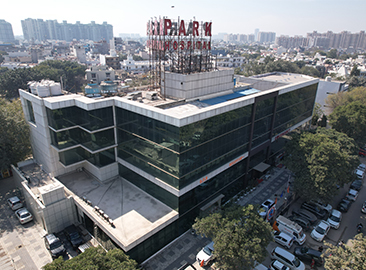
Park Hospital Sector 47, Gurugram

Q Block South City 2, Sohna Road, Sector 47, Gurugram


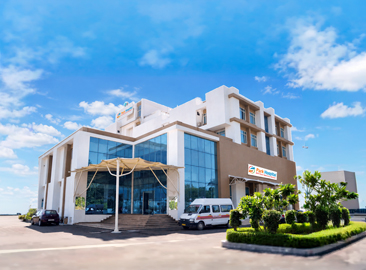
Park Healing Touch Super Speciality Hospital, Ambala
Sultanpur Chowk, Ambala Chandigarh Expy, Ambala, Haryana
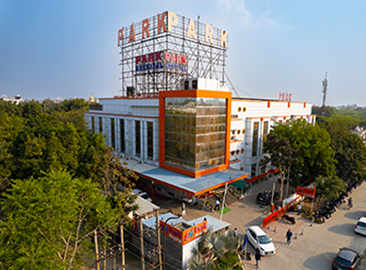
Park Hospital, Palam Vihar
H Block, Chauma Village, Sec 1, Palam Vihar, Gurugram, Haryana

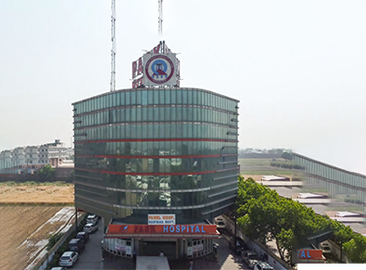
Park Nidaan Hospital, Sonipat
National Highway No. 1, Village – Siwah, Panipat, Haryana




Our Hospital Locations
Healing Near You
Experience world-class clinical expertise and compassionate care at our advanced facilities conveniently located across the region
View AllPatient Testimonials
Stories Reflecting Excellence in Patient Care

Parkinson?s Disease Recovery Story | Regaining Strength & Independence

Dr. Kuldeep Nehra
Discover an inspiring Parkinson?s Disease recovery journey as the patient shares how expert care under Dr. Kuldeep Nehra helped regain strength, mobility, confidence, and independence, leading to a significantly improved quality of life.
Know More

