Spinal Deformity Surgery
Spinal Deformity Surgery at Park Hospitals is a specialized surgical procedure performed to correct abnormal curvature or structural deformities of the spine and restore proper spinal alignment, balance, and function. The procedure is commonly recommended for patients suffering from conditions such as scoliosis, kyphosis, lordosis, congenital spinal deformities, degenerative spinal disorders, or spinal imbalance caused by trauma, aging, infections, or neuromuscular conditions. These spinal abnormalities can gradually affect posture, mobility, nerve function, and overall quality of life if not treated appropriately. Patients may experience chronic back pain, uneven shoulders or hips, difficulty standing upright, breathing discomfort, muscle fatigue, reduced flexibility, or nerve-related symptoms such as numbness and weakness. Spinal deformity surgery is aimed at correcting the curvature of the spine, stabilizing the affected spinal segments, relieving pressure on nerves, and improving physical movement and comfort.
Before recommending spinal deformity surgery, spine specialists conduct detailed evaluations to assess the severity, progression, and impact of the spinal condition on the patient’s daily activities and overall health. Diagnostic investigations may include physical examination, digital X-rays, MRI scans, CT scans, spinal alignment imaging, neurological assessments, and pulmonary function tests when required. Specialists carefully evaluate symptoms such as persistent spinal pain, visible spinal curvature, imbalance while walking, reduced physical endurance, stiffness, difficulty performing routine activities, or worsening deformity progression. Based on the findings, a personalized treatment plan is developed according to the patient’s age, spinal flexibility, medical history, lifestyle, and overall musculoskeletal health. The goal is to select the most appropriate surgical approach to improve spinal alignment while preserving stability and function.
During spinal deformity surgery, advanced surgical techniques and specialized spinal instrumentation are used to correct and stabilize the spine. The procedure may involve spinal fusion, correction of curvature using rods, screws, cages, or other fixation devices, and decompression of compressed nerves when necessary. Depending on the complexity and severity of the deformity, minimally invasive or traditional open surgical methods may be performed to achieve accurate spinal correction. Advanced imaging systems, intraoperative neuromonitoring, and precision-guided surgical technology help improve surgical accuracy, minimize complications, and enhance patient safety throughout the procedure. Continuous monitoring during surgery also helps protect nerve function and supports better surgical outcomes.
One of the major advantages of spinal deformity surgery is improved spinal balance, reduced pain, and enhanced physical function without the long-term limitations caused by progressive spinal curvature. Many patients experience improved posture, greater mobility, better breathing capacity, reduced nerve-related symptoms, and increased confidence in performing everyday activities following surgery. Since treatment plans are individualized according to the patient’s condition, recovery programs often include physiotherapy, rehabilitation, posture correction exercises, and long-term follow-up care to support healing and restore flexibility and strength.
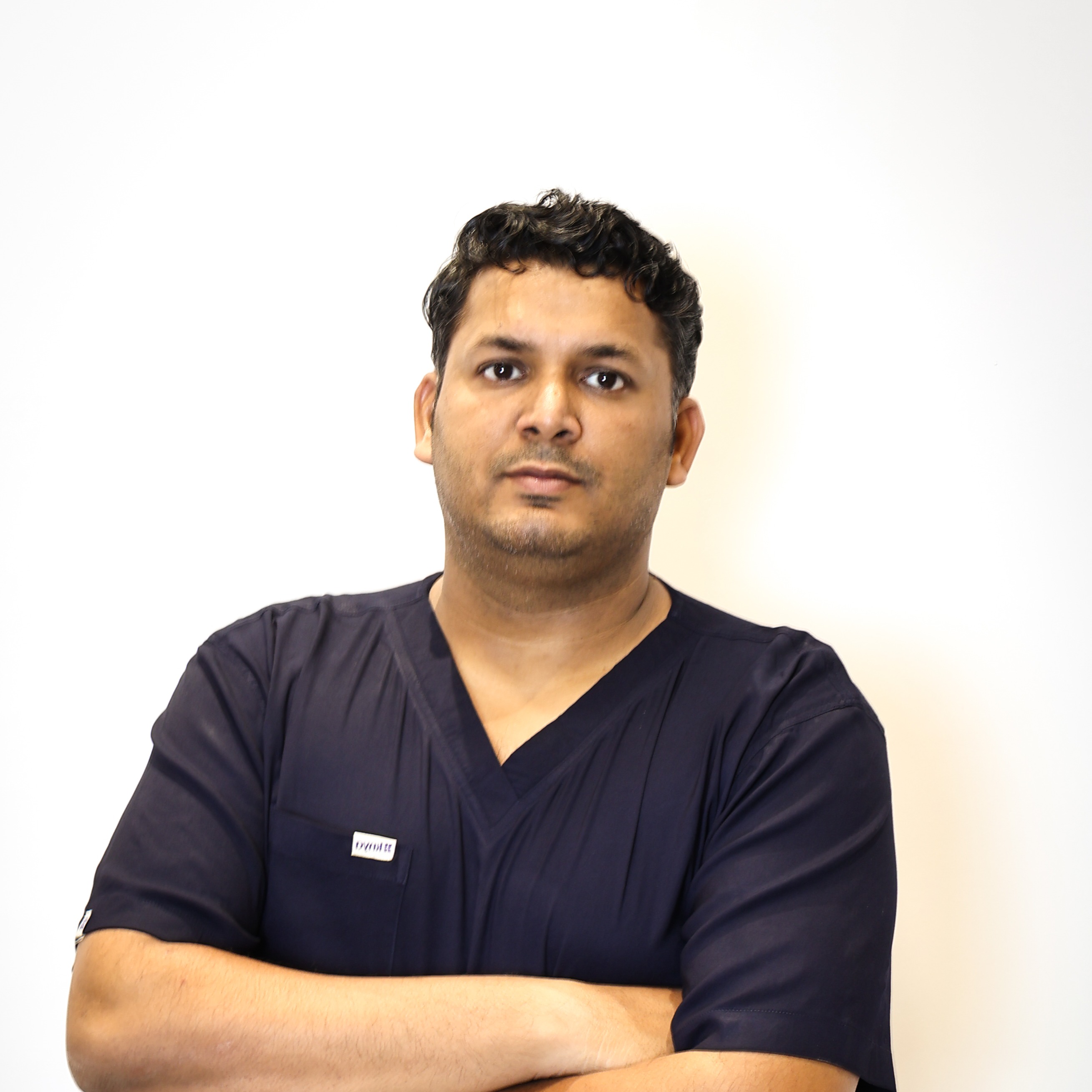
Meet Our Experts
Experienced Clinical Leaders
Consult with our highly skilled specialists dedicated to providing world-class medical expertise and personalized treatment plans.
Find A Doctor





.png)




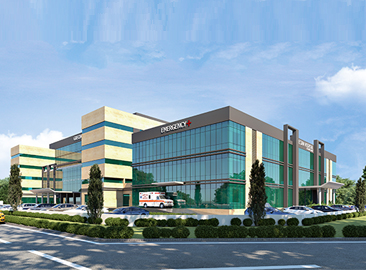
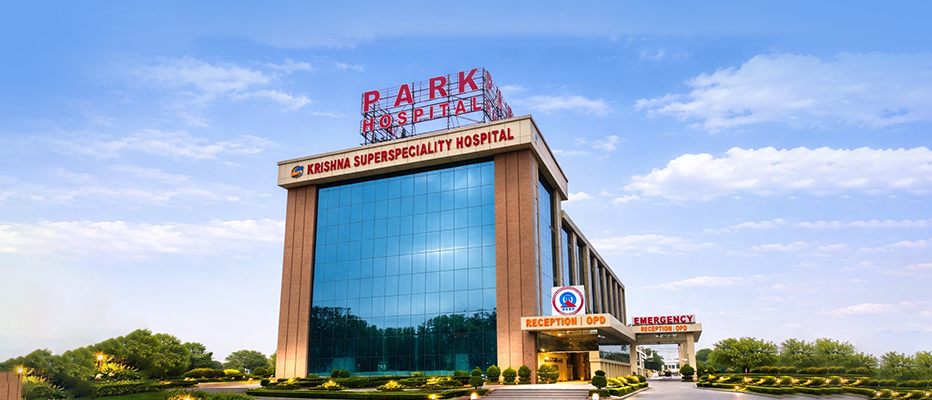


Our Hospital Locations
Healing Near You
Experience world-class clinical expertise and compassionate care at our advanced facilities conveniently located across the region
View All