ERCP and MRCP
ERCP and MRCP at Park Hospitals are advanced diagnostic and therapeutic procedures used to evaluate conditions affecting the bile ducts, gallbladder, liver, pancreas, and pancreatic ducts. These procedures help specialists identify blockages, gallstones, strictures, infections, tumors, or abnormalities within the biliary and pancreatic systems. ERCP, or Endoscopic Retrograde Cholangiopancreatography, combines endoscopy and imaging to both diagnose and treat certain conditions, while MRCP, or Magnetic Resonance Cholangiopancreatography, is a non-invasive MRI-based imaging technique used for detailed visualization of the biliary and pancreatic ducts.
Before recommending ERCP or MRCP, gastroenterology specialists conduct detailed evaluations through physical examination, blood investigations, ultrasound imaging, CT scans, and assessment of symptoms. Patients experiencing abdominal pain, jaundice, pancreatitis, bile duct obstruction, digestive discomfort, unexplained liver function abnormalities, or suspected gallstones may require these investigations for accurate diagnosis. The choice between ERCP and MRCP depends on the patient’s condition, severity of symptoms, and whether therapeutic intervention is required.
During MRCP, advanced MRI technology is used to produce detailed images of the liver, pancreas, gallbladder, and bile ducts without the need for invasive instruments or contrast injection into the ducts. ERCP, on the other hand, involves inserting a thin flexible endoscope through the mouth into the digestive tract, followed by injection of contrast dye into the bile and pancreatic ducts for detailed X-ray imaging. In addition to diagnosis, ERCP also allows specialists to perform therapeutic procedures such as stone removal, stent placement, duct widening, or tissue sampling during the same session if necessary.
One of the major advantages of MRCP is its non-invasive nature and ability to provide detailed imaging without surgical intervention, while ERCP offers the added benefit of simultaneous treatment for identified abnormalities. Both procedures play an important role in early diagnosis and management of biliary and pancreatic disorders, helping prevent complications such as infection, obstruction, or pancreatitis. Recovery following MRCP is immediate, while ERCP may require short-term observation depending on the intervention performed.
With experienced gastroenterologists, advanced imaging facilities, and comprehensive digestive care services, Park Hospitals provides specialized diagnostic and therapeutic support through ERCP and MRCP procedures. Early evaluation and timely intervention can help improve digestive health, support accurate treatment planning, and reduce the risk of long-term complications affecting the liver, gallbladder, and pancreas.
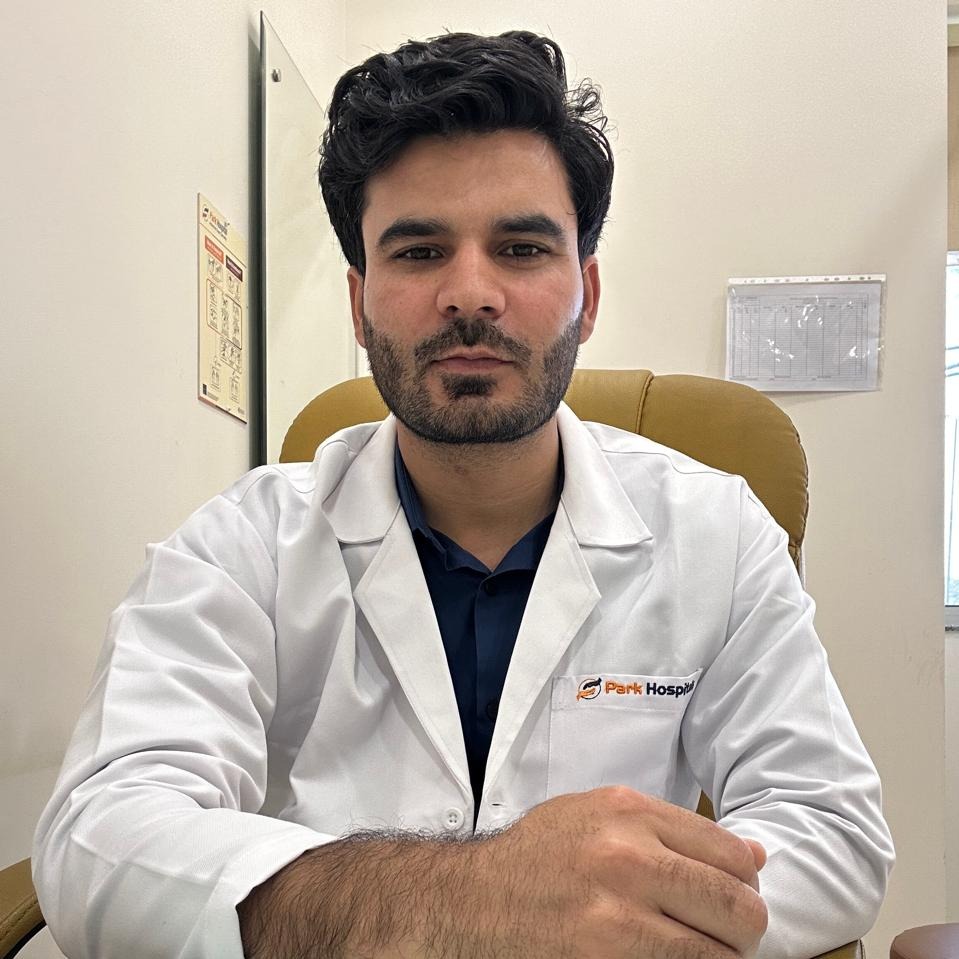
Meet Our Experts
Experienced Clinical Leaders
Consult with our highly skilled specialists dedicated to providing world-class medical expertise and personalized treatment plans.
Find A Doctor















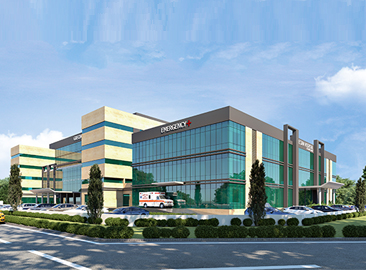



Our Hospital Locations
Healing Near You
Experience world-class clinical expertise and compassionate care at our advanced facilities conveniently located across the region
View All