Peptic Ulcer Disease
Peptic ulcer disease is a condition characterized by the development of open sores or ulcers in the lining of the stomach, lower esophagus, or the first part of the small intestine known as the duodenum. These ulcers occur when the protective lining of the digestive tract is damaged, allowing stomach acid to irritate the underlying tissues. Peptic ulcer disease is a common gastrointestinal disorder that can significantly affect digestive health if left untreated. At Park Hospitals, advanced gastroenterology services, specialized diagnostic facilities, and comprehensive digestive care programs support the early diagnosis and effective management of peptic ulcer disease to help relieve symptoms and prevent complications.
The most common causes of peptic ulcers are infection with Helicobacter pylori (H. pylori) bacteria and prolonged use of nonsteroidal anti-inflammatory drugs (NSAIDs) such as aspirin and ibuprofen. Additional risk factors include smoking, excessive alcohol consumption, chronic stress, and certain medical conditions that increase acid production.
Symptoms may vary depending on the location and severity of the ulcer. Common signs include a burning or gnawing pain in the upper abdomen, bloating, nausea, indigestion, early fullness after meals, and discomfort that may improve or worsen with eating. Some individuals may not experience symptoms until complications develop.
If left untreated, peptic ulcers can lead to serious complications such as gastrointestinal bleeding, perforation of the stomach or intestinal wall, obstruction of the digestive tract, and severe infection. Early diagnosis and treatment are essential to reduce these risks.
Diagnosis typically involves a detailed medical evaluation along with upper gastrointestinal endoscopy, H. pylori testing, blood tests, stool tests, and imaging studies when necessary. These assessments help identify the cause of the ulcer and evaluate the extent of tissue damage.
Treatment focuses on eliminating the underlying cause, reducing acid production, and promoting healing. Management may include antibiotics for H. pylori infection, acid-suppressing medications, lifestyle modifications, dietary adjustments, and avoidance of medications that contribute to ulcer formation.
With experienced gastroenterologists, advanced diagnostic technology, and comprehensive digestive care services, Park Hospitals provides personalized treatment and long-term management for individuals with peptic ulcer disease. Early diagnosis and timely intervention can help promote healing, prevent complications, and support better digestive health outcomes.
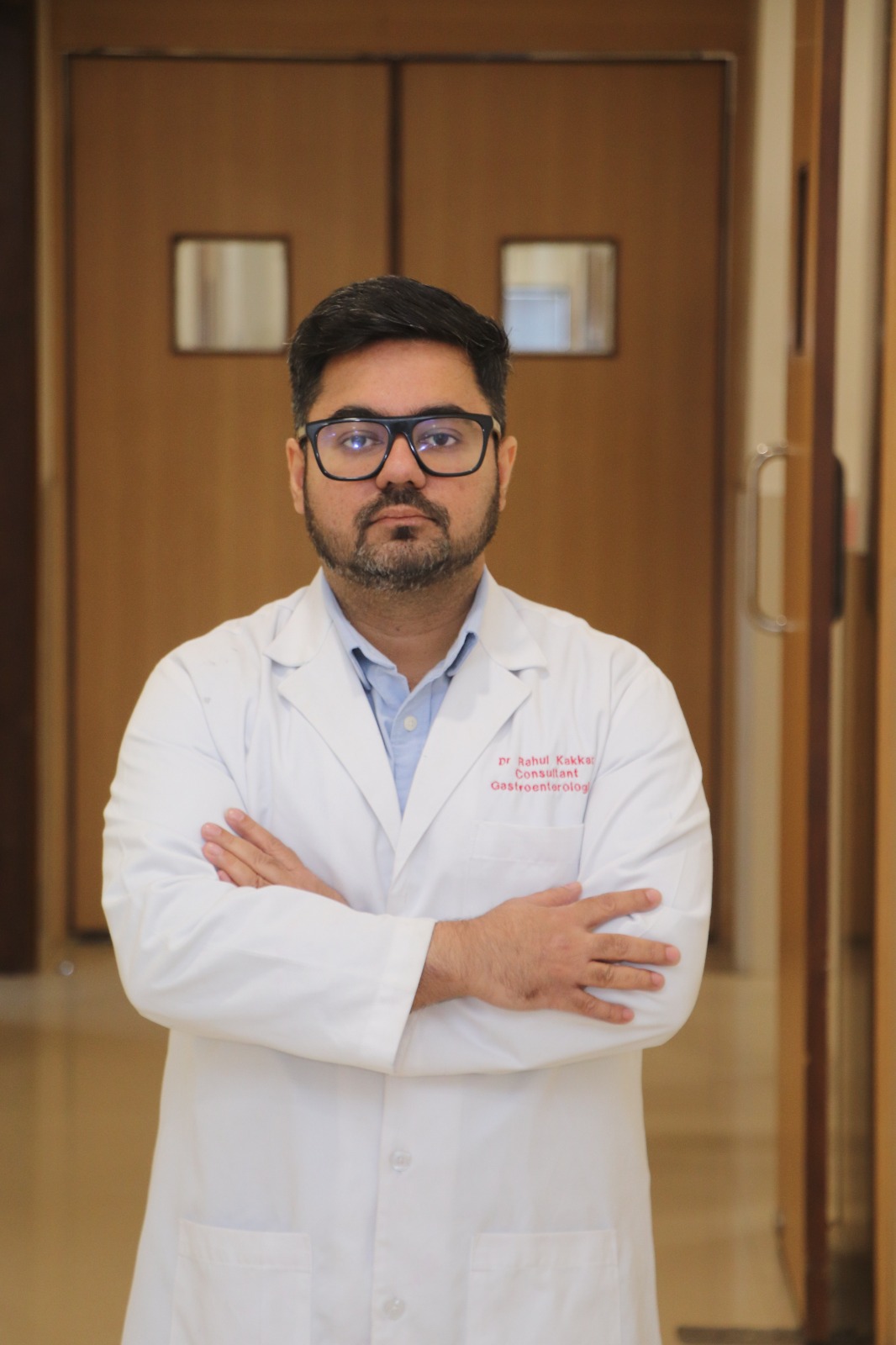
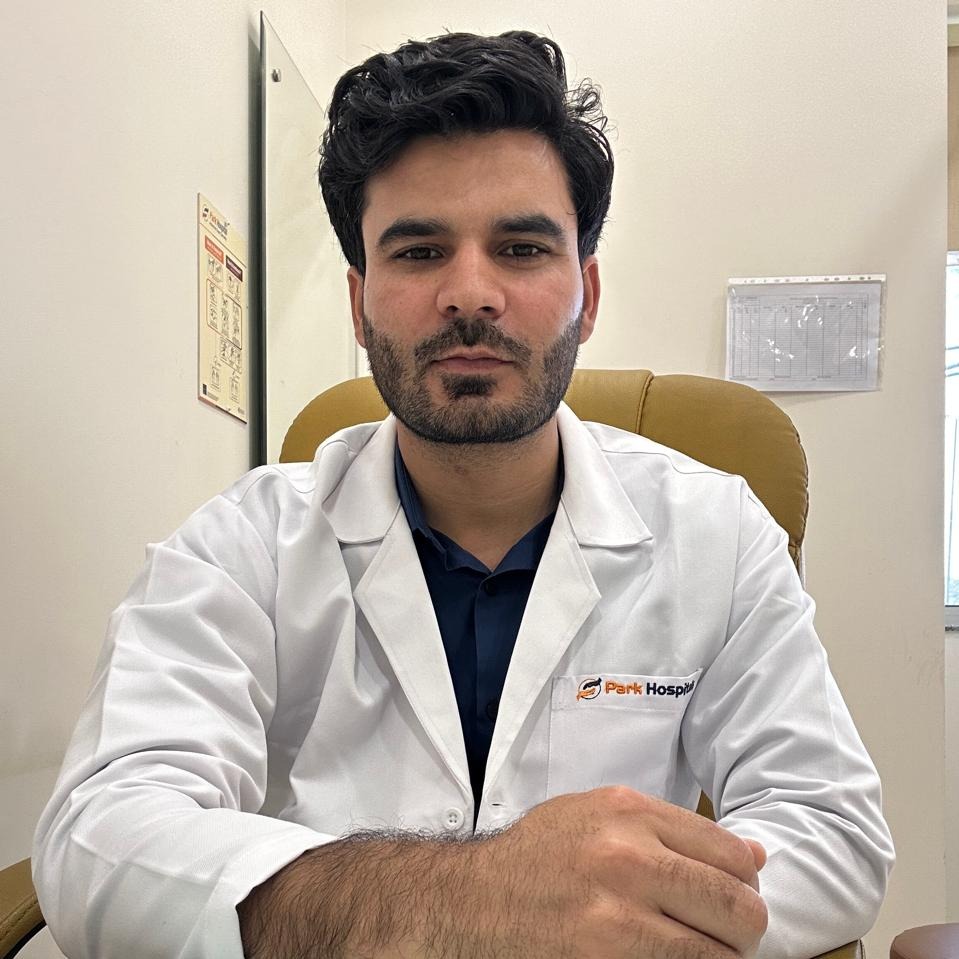
Meet Our Experts
Experienced Clinical Leaders
Consult with our highly skilled specialists dedicated to providing world-class medical expertise and personalized treatment plans.
Find A Doctor


















Our Hospital Locations
Healing Near You
Experience world-class clinical expertise and compassionate care at our advanced facilities conveniently located across the region
View All