Brain Tumors
Brain tumors are abnormal growths of cells that develop within the brain or surrounding structures. These tumors may be benign (non-cancerous) or malignant (cancerous) and can affect various functions depending on their size, type, and location within the brain. As a tumor grows, it may place pressure on nearby brain tissue, affecting neurological function and overall health. At Park Hospitals, advanced neuroimaging technology, specialized neurosurgical expertise, and comprehensive neuro-oncology services support the early diagnosis and effective treatment of brain tumors to help improve patient outcomes and quality of life.
Brain tumors can arise directly from brain tissue, known as primary brain tumors, or spread to the brain from cancers elsewhere in the body, known as metastatic brain tumors. Although the exact cause of many brain tumors remains unclear, certain genetic conditions, previous radiation exposure, and inherited risk factors may increase the likelihood of developing the condition.
Symptoms vary depending on the tumor's location, size, and rate of growth. Common symptoms may include persistent headaches, nausea, vomiting, seizures, vision problems, hearing difficulties, balance disturbances, memory issues, personality changes, and weakness or numbness in certain parts of the body. In some cases, symptoms may develop gradually, while rapidly growing tumors can cause more sudden neurological changes.
Diagnosis typically involves a detailed neurological assessment along with advanced imaging studies such as magnetic resonance imaging (MRI), computed tomography (CT) scans, and specialized brain mapping techniques. Additional investigations, including biopsy procedures, may be required to determine the exact type and grade of the tumor.
Treatment depends on the tumor's type, size, location, and overall impact on brain function. Management may include surgical removal, radiation therapy, chemotherapy, targeted therapies, or a combination of treatment approaches. Rehabilitation services may also be recommended to help patients recover neurological function and maintain independence.
With experienced neurosurgeons, neuro-oncologists, advanced diagnostic capabilities, and multidisciplinary neurological care services, Park Hospitals provides personalized treatment and long-term support for individuals with brain tumors. Early diagnosis and timely intervention can help improve treatment outcomes, minimize complications, and support better long-term neurological health.
Meet Our Experts
Experienced Clinical Leaders
Consult with our highly skilled specialists dedicated to providing world-class medical expertise and personalized treatment plans.
Find A Doctor





.png)





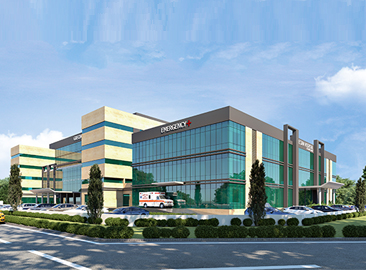



Our Hospital Locations
Healing Near You
Experience world-class clinical expertise and compassionate care at our advanced facilities conveniently located across the region
View AllFrequently Asked Questions
Common questions answered by our experts
Symptoms may include persistent headaches, seizures, vision changes, balance problems, or changes in memory, speech, or behavior.
Diagnosis typically involves neurological evaluation and imaging tests such as MRI or CT scans.
Not always. Treatment depends on the type, size, location, and growth rate of the tumor, as well as the patient's overall health.
Treatment may include surgery, radiation therapy, chemotherapy, targeted therapies, or a combination of approaches.
Depending on its location, a brain tumor may affect cognitive function, communication, movement, or other aspects of daily life.