ALS (Amyotrophic Lateral Sclerosis)
Amyotrophic Lateral Sclerosis (ALS) is a progressive neurological disorder that affects the nerve cells responsible for controlling voluntary muscle movements. As these motor neurons gradually deteriorate and die, the brain loses its ability to communicate with muscles, leading to increasing muscle weakness and loss of physical function. ALS primarily affects movement-related functions such as walking, speaking, swallowing, and breathing. At Park Hospitals, advanced neurological evaluation, specialized diagnostic services, and multidisciplinary care support the early identification and comprehensive management of amyotrophic lateral sclerosis to help improve quality of life and functional independence.
The exact cause of ALS remains unclear in many cases. However, certain genetic mutations, inherited factors, environmental influences, and abnormalities in nerve cell function have been associated with the condition. While most cases occur without a known family history, a smaller percentage may be linked to inherited genetic factors. ALS can affect adults of various ages but is most commonly diagnosed in middle-aged and older individuals.
Symptoms often develop gradually and may initially appear as muscle weakness in the hands, arms, legs, or speech muscles. Individuals may experience muscle twitching, cramps, difficulty gripping objects, frequent falls, slurred speech, and problems with coordination. As the disease progresses, weakness may spread to other muscle groups, affecting swallowing, mobility, and breathing. Without appropriate management, ALS can lead to significant physical disability and respiratory complications that impact daily living.
Diagnosis typically involves a detailed neurological examination along with electromyography (EMG), nerve conduction studies, blood tests, magnetic resonance imaging (MRI), and other assessments to exclude conditions with similar symptoms. These investigations help specialists evaluate nerve and muscle function while confirming the diagnosis.
Although there is currently no cure for ALS, treatment focuses on slowing disease progression, managing symptoms, and maintaining quality of life. Medications may be prescribed to support nerve function and symptom control. Physical therapy, occupational therapy, speech therapy, nutritional support, and respiratory care play important roles in comprehensive disease management. Advanced supportive devices may also be recommended to improve mobility and communication.
With experienced neurologists, advanced diagnostic capabilities, and comprehensive rehabilitation services, Park Hospitals provides personalized care and long-term support for individuals living with amyotrophic lateral sclerosis. Early diagnosis and multidisciplinary management can help optimize function, reduce complications, and enhance overall well-being throughout the course of the disease.
Meet Our Experts
Experienced Clinical Leaders
Consult with our highly skilled specialists dedicated to providing world-class medical expertise and personalized treatment plans.
Find A Doctor





.png)





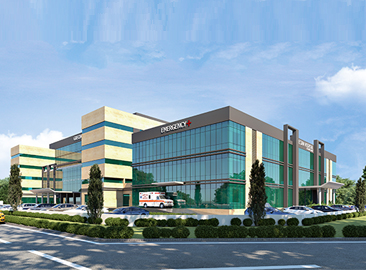



Our Hospital Locations
Healing Near You
Experience world-class clinical expertise and compassionate care at our advanced facilities conveniently located across the region
View All